Home / Glossary / Emotional Cheating: Definition, Signs, and What To Do
Emotional Cheating: Definition, Signs, and What To Do
She's not sleeping with him. She tells him everything. That's the problem.
TL;DR
Emotional cheating is when one partner builds a level of emotional intimacy with someone outside the relationship, sharing secrets, venting, seeking comfort, that crosses the line from friendship into something that competes with the relationship itself.
What it means
Emotional cheating is a slow leak. Nobody books a hotel room. Nobody sends the incriminating photo. Instead, one partner starts routing their real self somewhere else: the venting, the inside jokes, the 3am worries, the stuff that's supposed to live inside a relationship. They give all of that to someone outside it. And then they wonder why you feel distant.
The working definition: emotional cheating is a pattern of emotional intimacy with someone outside the relationship that competes with, or replaces, the intimacy inside it. The operative word is competes. Your girlfriend having a close friend isn't the problem. Your girlfriend having a close friend she goes to first, hides from you, and compares you unfavorably to is a different thing entirely.
The secrecy is the tell. A friendship you can't know about isn't a friendship.
Why people do it
Nobody wakes up and decides to emotionally cheat. It usually slides in under an innocent label: a work friend, an old friend, 'just someone I talk to.' But the slide is real, and it goes in one direction.
Here's what's actually happening beneath the surface:
The relationship has a gap. She's not getting something she needs, probably feeling heard or understood, and somebody else is filling it. That's on both of you, but she made the call about where to go.
The outside relationship is frictionless. It has no bills, no disagreements about whose parents to visit, no baggage. Of course it feels easy. It's not a relationship, it's a highlight reel of one.
The secrecy makes it exciting. Intermittent reinforcement is a hell of a drug. The hidden quality of an emotional affair adds a charge that the actual relationship, which requires boring sustained effort, can't match on a Tuesday night.
She's already halfway out. Sometimes emotional cheating is how someone exits a relationship without the courage to say so. She's testing the next option while keeping the current one on hold. Harsh, but the data supports it.
The signs aren't subtle if you're looking for behavior instead of reassurance.
First: the reversal of first contact. You used to be the first person she texted when something happened. Now you're not. You find out about her bad day after she's already processed it with someone else. You're not her confidant anymore. You're the debrief.
Second: the comparison. 'He would never say that.' 'He just listens, you know?' Direct comparison is the billboard version. Softer versions exist: going quiet when you give advice, sighing when you'd rather she just talked to you. The implication is always the same. You're being measured against someone and coming up short in her head.
Third: the secrecy. A close friendship doesn't need a private browser. It doesn't need the volume turned down when you walk in. It doesn't produce that slight pause before she answers 'who are you texting?' Healthy friendships survive being mentioned out loud. If this one can't, ask yourself why.
Fourth: the withdrawal from you. Emotional energy is finite. If she's spending it elsewhere, you'll feel the shortage. Fewer real conversations, less vulnerability, a kind of polite roommate vibe where the relationship is logistically fine and emotionally hollow. You're not fighting, but you're also not connecting. The absence is loud.
✦
Are you a Simp or Player?
Take the dating spectrum quiz to find out where you fall.
Emotional Cheating vs. Close Friendship vs. Physical Cheating
Emotional Cheating
Close Friendship
Physical Cheating
Shares relationship problems with them
Yes, habitually
Rarely, and openly
Sometimes
Hides the conversations from you
Yes
No
Yes
Compares you to them
Often, unfavorably
No
Rarely
Would stop if you asked
Defensive, probably not
Yes, no problem
Defensive, no
Feels like betrayal to you
Yes
No
Yes
How to respond
Here's what you don't do: explode, sulk, go cold and hope she notices, or start digging through her phone like a detective. None of that makes you feel better and none of it moves the situation anywhere useful. You address it like someone who knows what he wants and expects it to be respected.
One late-night text proves nothing. A month of secrecy, comparison, and emotional withdrawal proves something. Make sure you're reacting to a pattern, not a mood. If you're keeping a mental tally, write it down once and look at it honestly.
02
Name it directly, without prosecuting
Don't open with accusations. Open with what you observed. 'I've noticed you go to him with things I find out about later. That's not a friendship boundary I'm comfortable with.' Specific, calm, no courtroom drama. You state your position like someone who knows what they want, not like someone begging to be believed.
03
Listen to what she does, not just what she says
She might apologize and adjust. She might get defensive and call you controlling. She might promise to pull back and not actually do it. Her behavior in the next two weeks tells you everything her words in the next two minutes won't. Watch the behavior.
04
Decide what you actually need, and hold that line
Either the outside relationship scales back to something that doesn't compete with yours, or you two have a real problem. You don't have to issue ultimatums dramatically, but you do have to be clear about what you're willing to accept. Vague discomfort with no stated boundary just becomes the new normal.
05
If nothing changes, make your call
You're not obligated to stay in something that drains you. A partner who won't give up an emotional affair after a direct, honest conversation is telling you exactly what they're choosing. Let them. Then you make your choice.
The honest part
Emotional cheating is a boundary issue dressed in ambiguity, and the ambiguity is usually intentional. 'Nothing happened' is technically true and completely beside the point. What happened is that she built something with someone else that should have been built with you, and she kept it from you because she knew exactly what it was. A relationship runs on intimacy the way a car runs on fuel. When that fuel is going somewhere else, it doesn't matter how clean the engine is. You're running on empty. Name it, address it, and if she won't meet you there, stop waiting at a pump that's never going to work.
Examples in the Wild
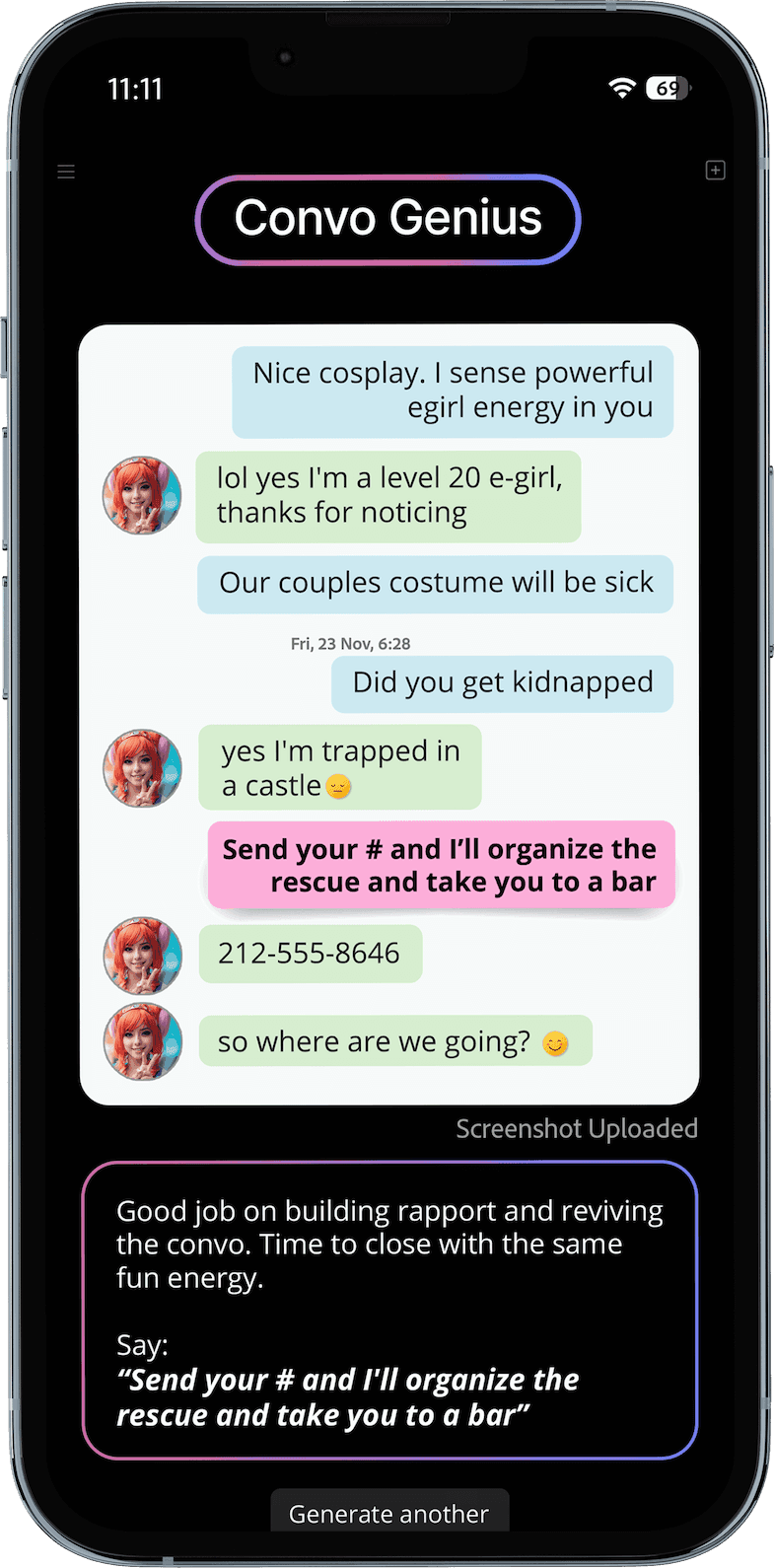
She texts him about the fight you two just had before she's even out of the room.
He says 'she's just a friend' but goes quiet and tilts the screen away when she messages.
She tells you 'he just gets me' about a guy she talks to every single day and has never once mentioned meeting up with you.
He deleted the conversation history. Not once. Every time.